The growth of Griffith’s Gold Coast Campus
The growth of Griffith University at the Gold Coast campus is one of the defining foundation stories of the Gold Coast Health and Knowledge Precinct.
What began as a small tertiary teaching institution has evolved into Griffith’s largest campus, a major research engine, and the academic heart of the precinct ecosystem. Its expansion in purpose, student population, facilities, and ambition has helped power the precinct’s rise and shaped the region’s health, research, and innovation capabilities.
This transformation did not happen overnight. It reflects decades of investment, partnership, and long-term thinking about what education and research could enable when directly connected to health systems and industry.
Over the past two decades, hundreds of millions of dollars have been invested in teaching, research, clinical training, sport and student facilities across the campus, helping transform it into one of Australia’s most integrated health and education environments.
From regional teaching site to growing university campus
Griffith University was originally founded in 1975 at the Brisbane South (Nathan) Campus, with the campus at the Gold Coast developing later as part of a broader expansion strategy. On 1 January 1990, Griffith amalgamated with the Gold Coast College of Advanced Education, formally embedding the University on the Coast and setting the platform for long-term growth. The private Bond University had opened in the city six months earlier, and with Griffith’s arrival, the Gold Coast finally had a public university.
The early Gold Coast site focused on teaching and access, opening pathways for local students and building academic capability in the region. Many students were the first in their families to take on university studies.
Over time, a clearer focus emerged around health, science and applied research. That focus would prove pivotal.
The decision to build deep capability in health and biomedical science positioned education, research and future clinical practice within the same geographic and collaborative environment.
By the late 1990s and early 2000s, the campus was no longer simply growing in student numbers. It was growing in research strength and specialist infrastructure.
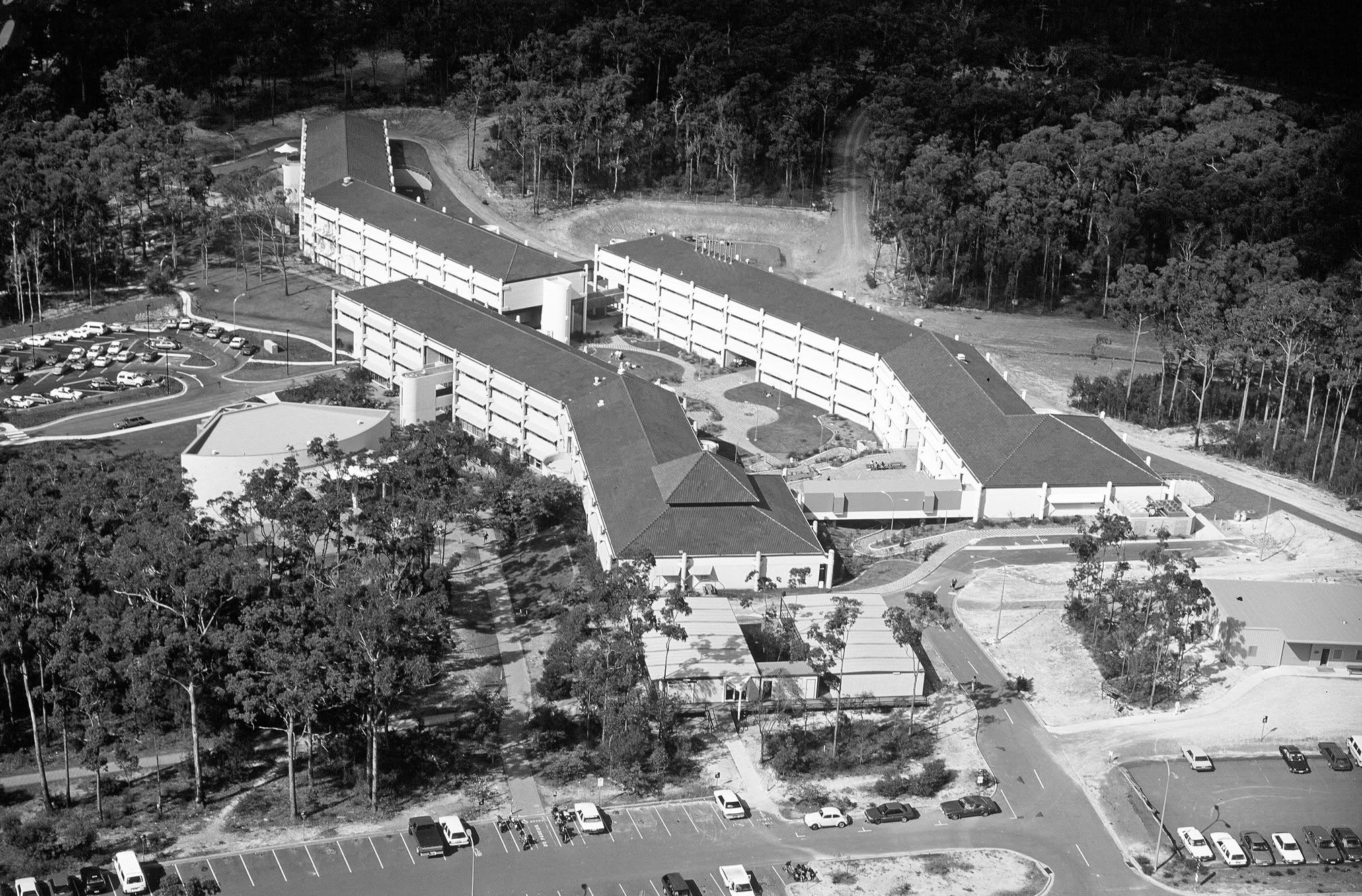
The Gold Coast College of Advanced Education in 1989, before becoming Griffith University’s Gold Coast campus in 1990.
Research capability takes shape
A major turning point came in 2000 with the establishment of the Institute for Glycomics, now Griffith University Institute for Biomedicine and Glycomics.
From the beginning, the Institute set out to tackle some of the most complex challenges in human disease. Its presence on the Gold Coast signalled something new. Serious research intent and global ambition.
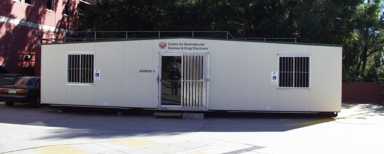
The original demountable that housed Griffith University’s Institute for Glycomics in its early years.
What started in demountable buildings quickly evolved into purpose-built laboratories. That physical growth reflected something deeper. A growing capability that would anchor biomedical science on the Coast.
Glycomics was the early leader, but it was only the beginning.
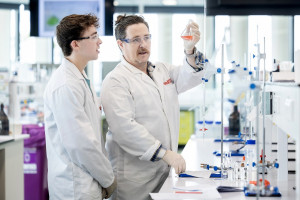
Over time, the campus built strength across biomedical and clinical sciences, alongside sport, engineering, environmental science, information technology, business and tourism. This created something powerful. A connected pipeline from discovery through to real-world impact.
Research was no longer happening in isolation. It was becoming embedded in the community it serves.
That capability attracted talent, partnerships and investment. It positioned the Gold Coast as a place where ideas could be developed, tested and translated into outcomes that matter.
Philanthropy also became an important part of that impact story. In 2019, Griffith launched its first comprehensive philanthropic campaign to deepen partnerships with alumni, donors and supporters, helping fund life-changing scholarships and transformative research. The campaign exceeded its ambitious $125 million target, supporting research and innovation with the potential to save lives, strengthen communities and create lasting global impact.
There are clear examples of this impact.
Emeritus Professor Michael Good AO, former Chair of the National Health and Medical Research Council, brought his malaria research to Griffith in 2010. By 2013, he became the first person to trial a whole parasite malaria vaccine on himself. His work on a Strep A vaccine, developed in partnership with a Chinese biopharma company, progressed to clinical trials in Canada in 2019.
Immunologist Professor Sonya Marshall-Gradisnik has spent more than a decade building global expertise in myalgic encephalomyelitis and chronic fatigue syndrome. Her research has helped identify links between this condition and Long COVID and is advancing potential treatments for patients worldwide.
Together, these stories reflect a broader shift. From building capability to delivering impact.
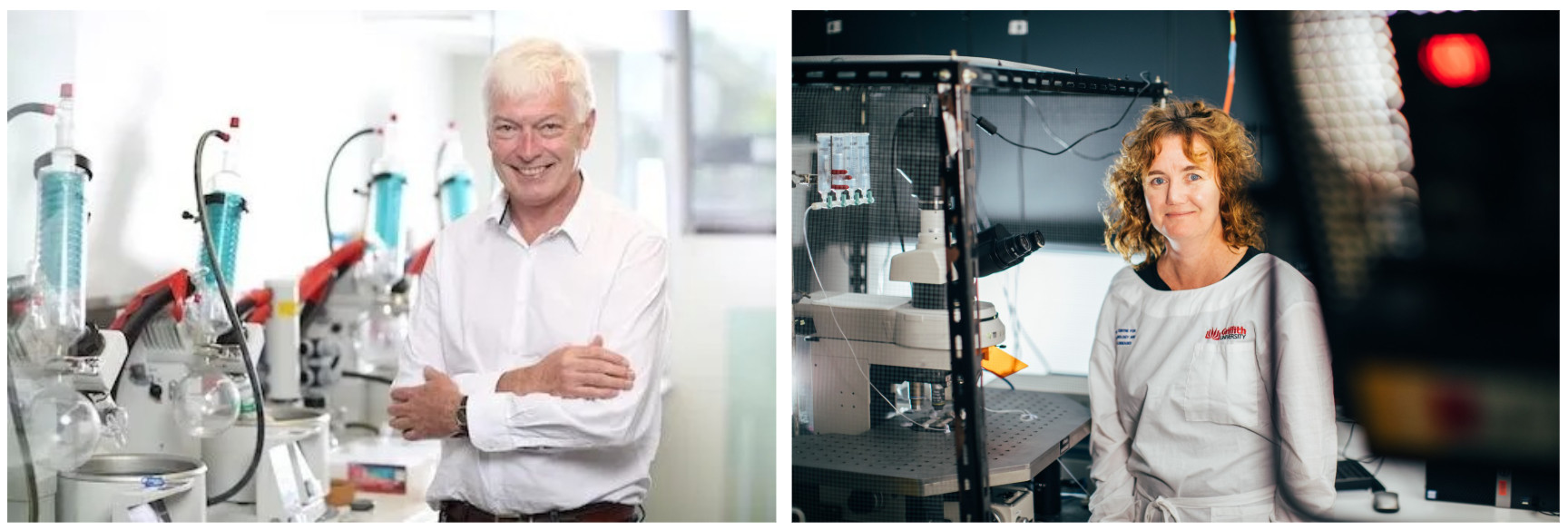
Research leaders Emeritus Professor Michael Good and Professor Sonya Marshall-Gradisnik exemplify Griffith’s commitment to translating scientific discovery into better health outcomes for communities on the Gold Coast and around the world.
Building a health education powerhouse
Health education expanded rapidly through the early 2000s.
The School of Dentistry was established in 2003, and medicine soon followed, with the first Bachelor of Medicine cohort graduating in 2008. That ceremony marked a milestone with the graduation of the program’s first Indigenous medical student, reflecting the growing diversity and reach of the pathway.
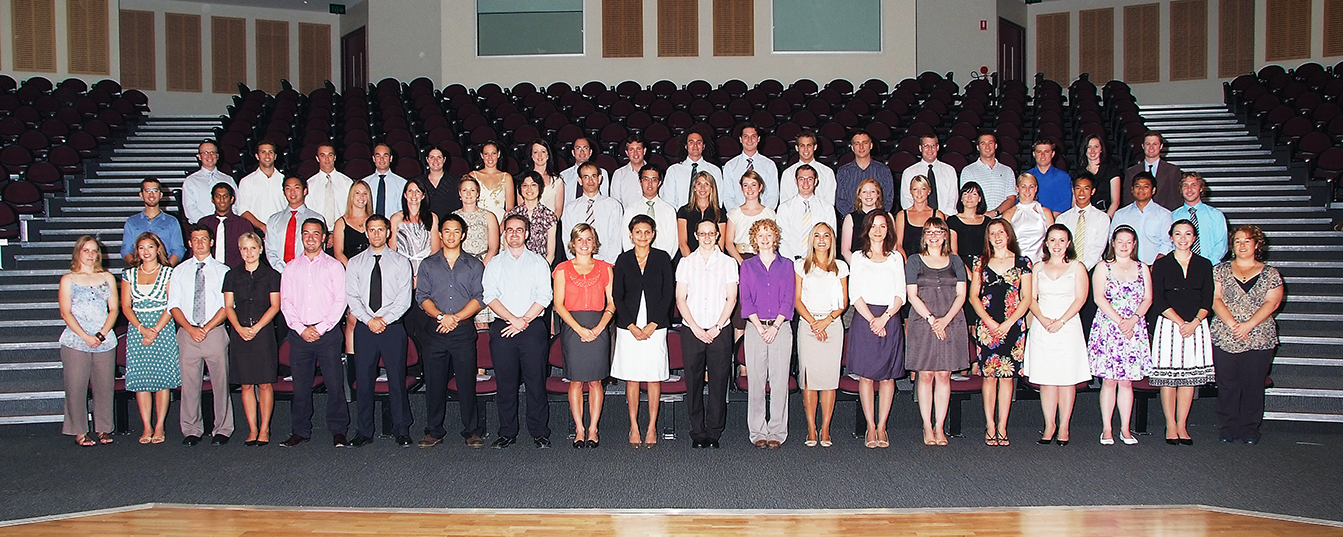
The first Griffith University Bachelor of Medicine graduates, 2008.
Each new discipline added depth to the campus and strengthened the connection between education, clinical training and research.
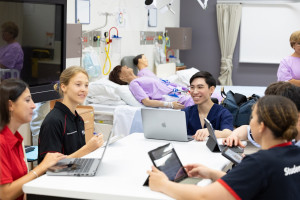
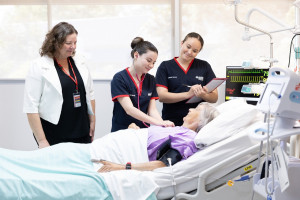
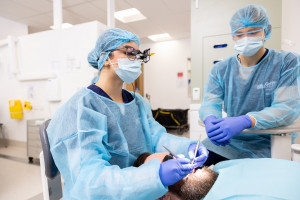
Purpose-built facilities supported this growth. Teaching clinics, simulation environments and applied learning spaces allowed students to train in realistic settings. A defining feature of this model is the many clinics that are open to the public, offering dental, physiotherapy, exercise physiology, psychology and social work services at accessible rates. This gives students real world experience while expanding community access to care.
A defining moment of integration
In 2013, two major developments supercharged the trajectory of the campus and the precinct.
The Griffith Health Centre opened, bringing together teaching, clinical training and community health services in a single integrated facility. Opened by The Honourable Dame Quentin Bryce, the $150million centre created one of Australia’s most integrated university health training environments.
This archival video, filmed in 2012, captures the construction of the Griffith Health Centre ahead of its opening in 2013.
That same year, the Gold Coast University Hospital opened directly opposite the new health centre.
This physical proximity between hospital, university and research institutes transformed how education and clinical care connected. Students could train alongside clinicians. Researchers could collaborate more closely with practitioners. Clinical questions could move more quickly into research programs and trials.
The model the precinct vision had imagined years earlier was now visible and operational.
Education, research and care were no longer separate systems. They were neighbours and collaborators. Indeed, some staff were employed by both the university and the hospital, breaking down the boundaries that get in the way of innovation.
Infrastructure that supports ambition
Campus growth was matched by sustained infrastructure investment. Major developments included science buildings, library expansion, learning commons, specialist research laboratories and high-performance sport infrastructure, including a state-of-the-art aquatic centre. Across roughly fifteen years, hundreds of millions of dollars were invested in campus facilities, technology and research infrastructure. These investments did more than expand the campus. They created environments where students, researchers and industry could learn, collaborate and innovate together.
Students trained in better environments. Researchers worked with more advanced tools. Industry partnerships strengthened through shared facilities and programs.
Student accommodation has also expanded significantly, with a new tower catering to 450 students set to open this year, supporting a growing and increasingly diverse student population living within the precinct environment.
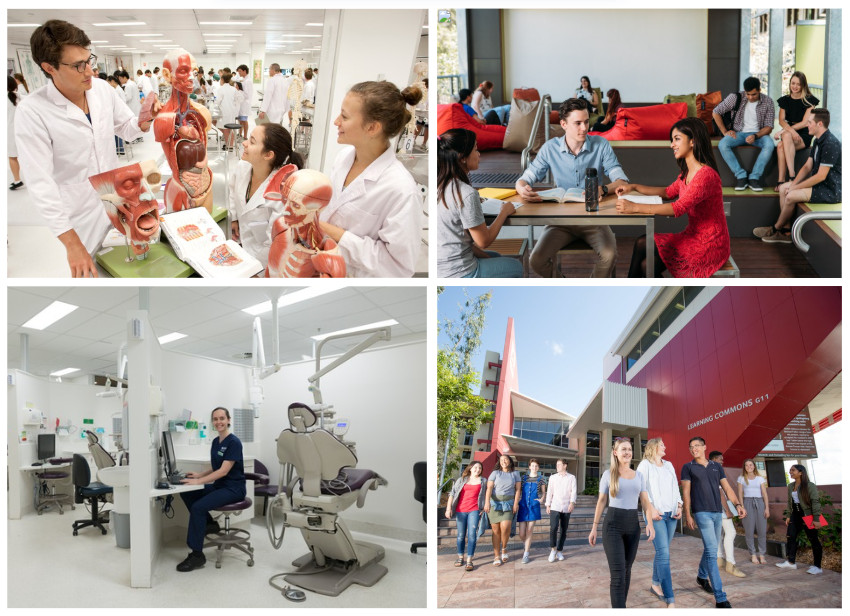
Investment in world-class teaching facilities, collaborative learning spaces and clinical training environments has transformed Griffith’s Gold Coast campus into one of Australia’s leading integrated health and education environments, supporting students, researchers and industry to learn, collaborate and innovate together.
Sport, performance and global visibility
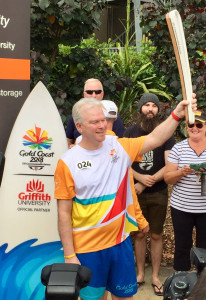
Emeritus Professor Mark von Itzstein AO carries the Queen’s Baton ahead of the Gold Coast 2018 Commonwealth Games.
Griffith University’s commitment to sport has become another defining strength of its campus on the Gold Coast and a key contributor to the precinct’s identity.
The campus is home to the Griffith Sports College, which supports elite and emerging athletes to pursue sporting excellence alongside their studies through flexible learning, tailored academic support and access to world-class facilities. Today, hundreds of athletes across more than 30 sports are part of the program, including Olympians, Paralympians, and Commonwealth Games representatives and professional athletes competing on the world stage.
This commitment was showcased during the Gold Coast 2018 Commonwealth Games, where Griffith University was an official partner, and the campus played a significant role in supporting the event. Facilities hosted training and preparation, while students, researchers and staff contributed as volunteers, specialists and athletes.
Emeritus Professor Mark von Itzstein AO, founder of the Institute for Glycomics, was among several Griffith representatives selected as Queen’s Baton Relay bearers, proudly carrying the baton through the campus in recognition of their contribution to the community.
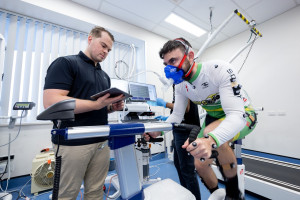
Today, Griffith continues to strengthen its reputation as a leader in high-performance sport, where world-class athlete development sits alongside internationally recognised research in sports science, biomechanics, rehabilitation and health. By bringing education, performance and research together in one connected environment, the University is helping develop the next generation of athletes, practitioners and leaders.
As the region looks towards the Brisbane 2032 Olympic and Paralympic Games, Griffith is well positioned to play an important role in supporting athlete development, sports science, research and workforce capability, continuing a legacy that extends well beyond the competition itself.




Research translating into real world impact
A defining strength is research translation, moving discoveries from laboratory to clinic and into real patient outcomes.
In recent years, research programs based on the Gold Coast have continued to push boundaries.
The BioSpine project, launched in 2019, brought together researchers, clinicians and quadriplegic engineers to personalise spinal injury rehabilitation using digital twin technology and advanced robotics. The work combines research excellence with direct patient application. It is fitting it is co-led by Dr Dinesh Palipana, Queensland’s first quadrapelic doctor and proud Griffith alumnus, having returned to finish his medicine degree in 2013, following his life-changing spinal cord injury.
In 2025, a world first human trial was approved to test a novel spinal cord injury treatment using transplanted cellular nerve bridges. The trial represents the kind of long horizon research that grows from sustained campus capability and strong clinical partnerships. Gold Coast University Hospital specialists will undertake the transplantation procedures.
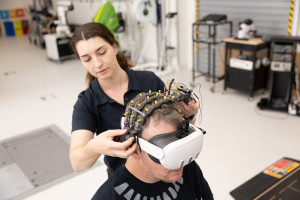
World-leading blood rheology and mechanobiology research and testing is ensuring the BiVACOR total artificial heart is blood friendly, while next-gen wearables help prevent injury and manage osteoarthritis.
These are not abstract achievements. They represent new hope for people living with serious injury and disease.
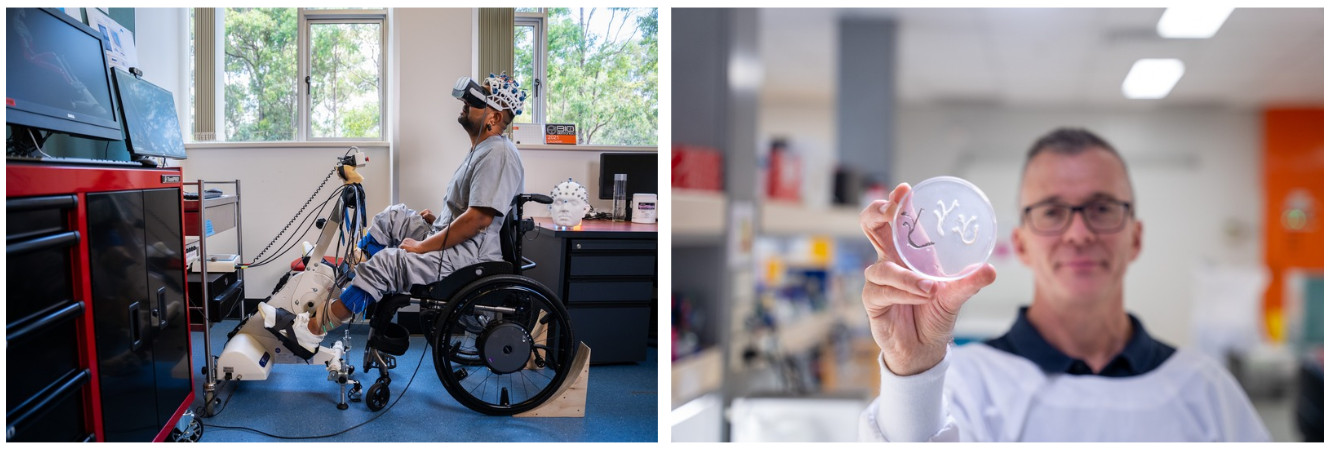
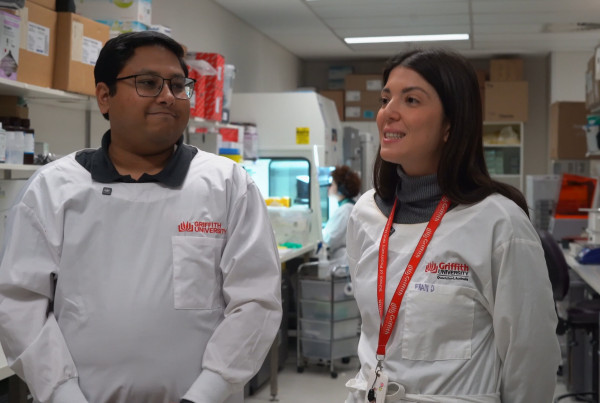
Different approaches. One shared purpose. Dr Dinesh Palipana OAM and Professor James St John are advancing complementary spinal cord injury initiatives, combining neurorehabilitation and regenerative medicine to help transform lives through research and innovation.
Shaping the future of the Gold Coast
The next chapter of Griffith’s campus on the Gold Coast is already taking shape.
Continued investment in world-class infrastructure will further strengthen the precinct’s ability to bring researchers, clinicians, industry and entrepreneurs together in a shared environment designed to accelerate innovation and translation.
As the Gold Coast continues to grow, so too does the importance of building a strong and diverse knowledge economy.
For decades, the city’s economy was largely defined by tourism, construction and population growth. Today, health, research, education and innovation are becoming increasingly important drivers of economic prosperity.
Griffith University is central to that transformation.
By educating future professionals, attracting global talent, supporting industry partnerships and enabling research translation, Griffith is helping create new career pathways and ensuring more knowledge economy jobs can be created and sustained on the Gold Coast.
The city’s future will increasingly depend not only on population growth, but on the ideas, discoveries and skilled workforce emerging from institutions like Griffith University.
Griffith University Vice Chancellor and President Professor Carolyn Evans says the University’s continued growth will be closely intertwined with the future of both the precinct and the Gold Coast.
“Griffith’s Gold Coast campus is a powerhouse of research that is both globally significant and has important local impacts. We are educating the health, business, scientific and tourism leaders that the Gold Coast needs for its future.
As the GCHKP grows in scale and ambition, Griffith will be growing right alongside it to provide the workforce and research outcomes the Gold Coast will need to thrive in coming decades.”
Powering the precinct through people
Today, Griffith’s campus on the Gold Coast is the University’s largest campus and a central driver of the precinct ecosystem. Thousands of students, researchers, educators and clinicians move through its buildings each day.
Graduates trained here now work across the hospital, research institutes, startups and health services. Many choose to stay on the Gold Coast, building careers that strengthen the region’s health, research and innovation capability while contributing to the next generation of discoveries and partnerships.
The campus does not simply sit within the precinct story. It has helped shape it.
For more than three decades, Griffith has transformed vision into reality by bringing together education, research and partnership in ways that improve lives, strengthen communities and create lasting impact.
This is where people come to learn, discover, collaborate and lead. Together, they are transforming lives.